




Inflation looks to be sapping some of Americans’ holiday cheer as they head out to buy gifts this Christmas season, according to the CNBC All-America Economic Survey.
The survey found the “high cost of goods” has emerged as a major factor affecting how much shoppers spend and where they spend, suggesting inflation of the past several years and the rise in import goods prices from tariffs are being felt at the checkout counter.
The survey of 1,000 people nationwide, with a margin of error of +/- 3.1%, found that the high cost of goods is the top reason Americans are spending less and, in a first for the survey, the main reason they are spending more.
Among those spending less, 46% say it’s because of the high cost of goods, a 10-point increase from the 2024 survey. Even more striking, 36% of those spending more say it’s because of high prices, an 11-point increase from last year. The past six years, most Americans said they spent more because they were earning more and the economy was in good shape; they tended to spend less because they earned less or felt the economy was weak.
CNBC’s All-America Economic Survey
“Almost 70% say that prices are higher now, and it’s affecting people both who are spending more and who are spending less in a much bigger way than it ever has,” says Jay Campbell, partner at Hart Research, the Democratic pollster for the survey.
The affordability issue clearly is weighing on consumer minds with 61% reporting they believe prices are rising faster than their incomes, including 74% of those with incomes between $30,000 and $50,000 and 78% of those earning $30,000 or less.
Overall, 41% of Americans plan to spend less this year, with 42% saying they will spend about the same and 16% saying they will spend more. Americans generally say they will spend less each year, but this year’s number is 6 points higher than a year ago for the biggest gain since the inflation surge in 2022.
Americans plans to spend on average $1,016 this year on holiday gifts, about flat with last year. But the figure is $1,199 among those Americans who are actually buying gifts for a decent 3.9% increase over 2024.
Negative outlook on economy
The survey found 60% of the public is pessimistic about the current state of the economy and pessimistic about the outlook, the highest level since December 2023. The percentage who are optimistic now and about the future ticked down by three points.
Democrats and independents are overwhelmingly pessimistic, as they have been for much of the Trump presidency. But some economic concern looks to be plaguing even Republicans. While 93% of Democrats and 86% of independents rate the economy as just fair or poor, that’s also true of 53% of Republicans.
“The movement from a majority of Republicans saying, ‘Yeah, everything’s excellent or good to it being fair or poor is a bad sign,’ ” said Micah Roberts, partner at Public Opinion Strategies, the Republican pollster for the survey. “We’re also seeing souring expectations for the economy over the next year” from Republicans.
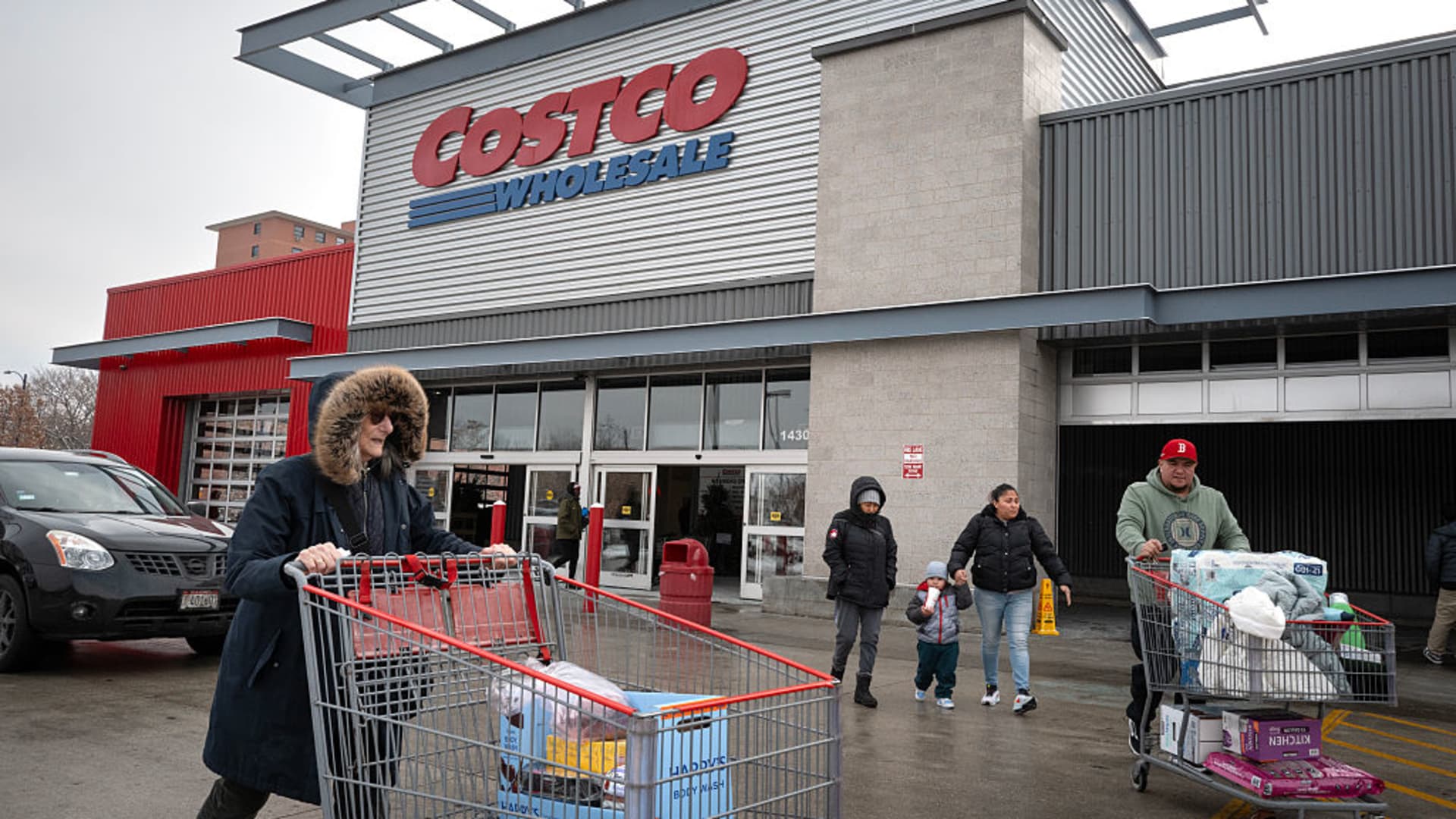
Concern about prices looks to have altered the way at least some Americans are shopping. The survey found a 9 percentage point increase among Americans shopping online, and a 3-point gain among those saying they planned to do most of their holiday shopping at big-box stores like Walmart and Best Buy and a 6 point gain for wholesale retail outlets.
Costco shoppers
The data show those spending more than $1,000 are more likely to be visiting places like Costco this year, while those spending between $500 and $1,000 are more likely to be looking online. Compared to 2024, the move to online shopping was strongest among those with incomes below $30,000, women of all ages and those spending the least on holiday goods.
The survey found that 28% of the public say they only buy discounted items, while half look for discounted items but will purchase what they’re after anyway. Ten percent don’t care about bargains.
Americans go into the holiday season facing not just higher prices, but also carrying more debt. Fifty-seven percent of say they have at least some debt going into the holiday shopping season, up 11 points from last year. There was a five-point gain among those who say they have a lot of debt. Among the age groups with the biggest change: 18-34 year-olds, which could reflect a change in the status of their student debt payment.
The full survey details can be found here.