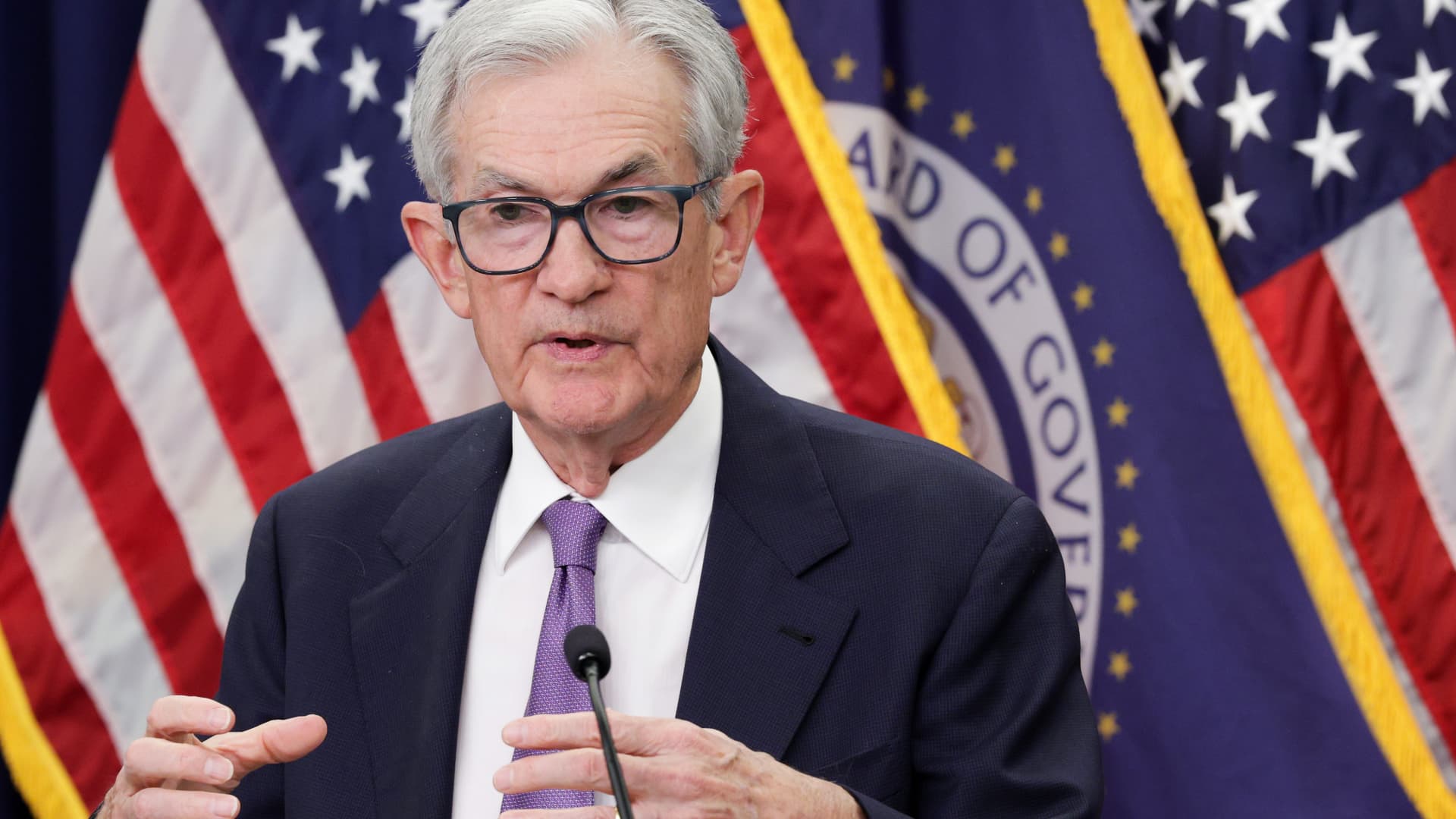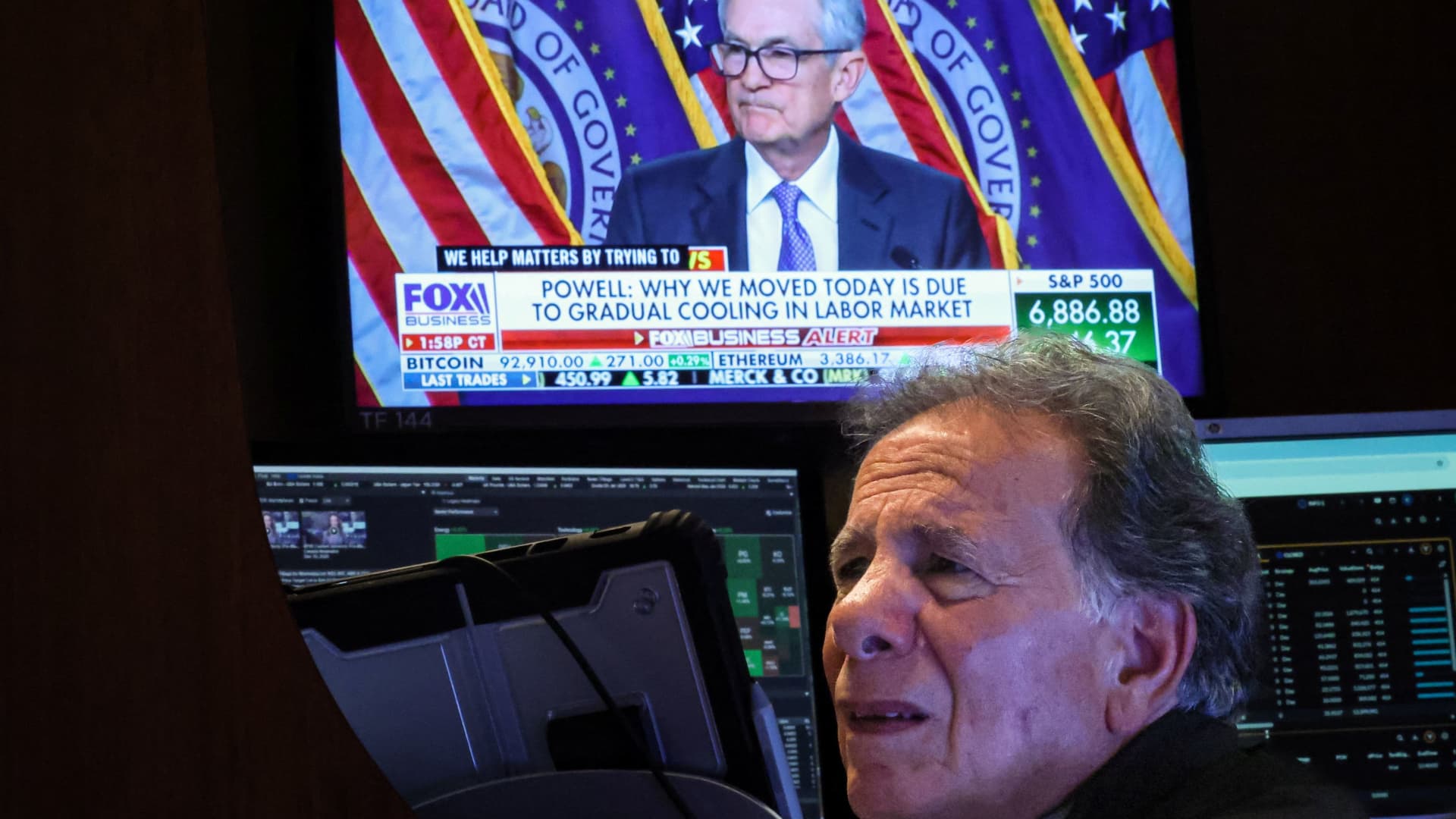






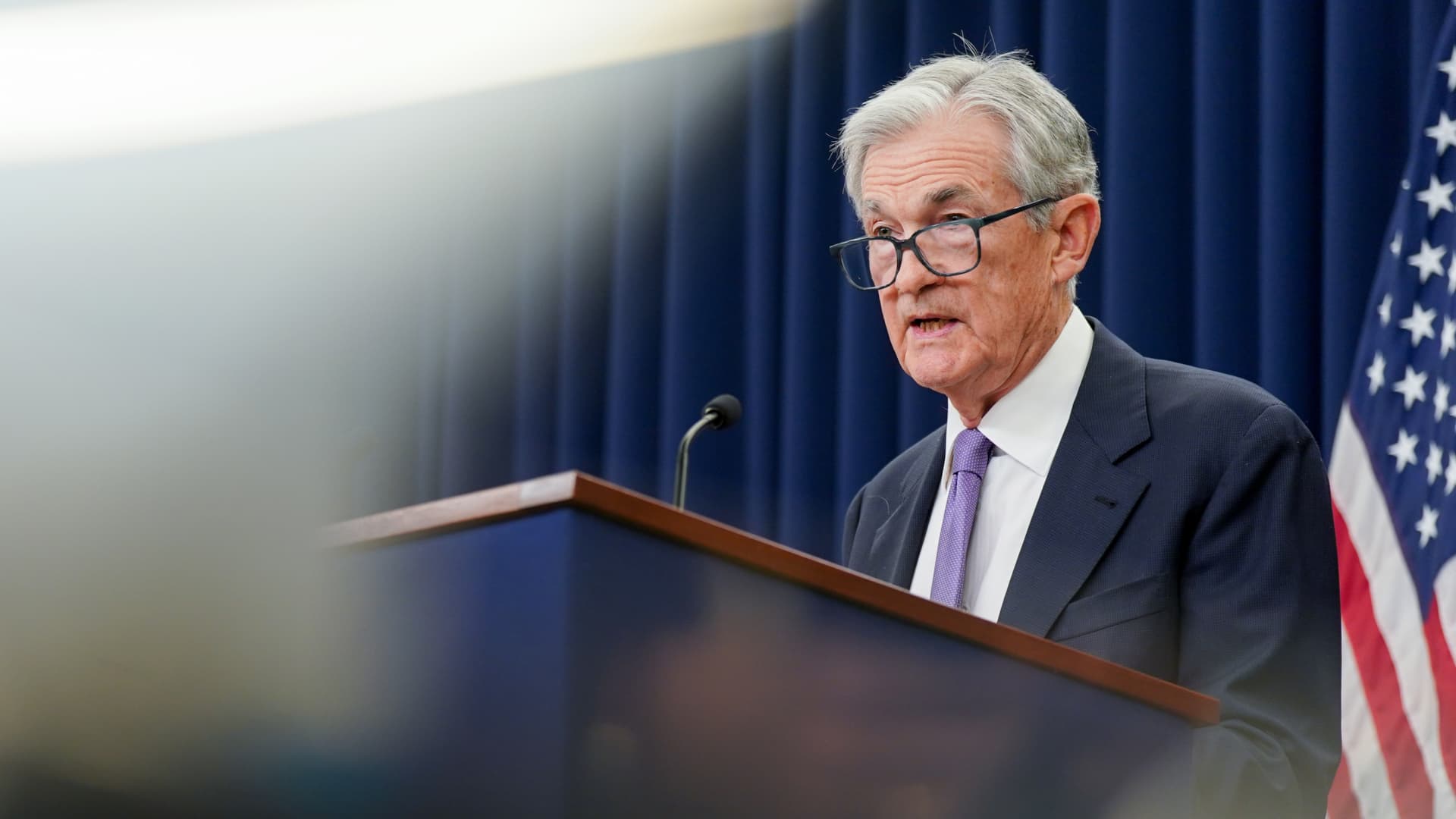
Stocks rallied after the Federal Reserve approved a “hawkish cut” at the conclusion of Wednesday’s meeting, as was widely expected. But it was a number of other news items coming from the central bank that added to investors’ confidence in the market outlook. Here are some of the items coming out of the Fed , its summary of economic projections, as well as Fed Chair Jerome Powell’s post-meeting news conference that are bullish for the stock market. The Fed said it will resume buying Treasury securities, with purchases expected to remain “elevated” for a few months before it will likely be “significantly reduced.” In his post-meeting remarks, Powell gave considerable attention to a weaker labor market that suggested the central bank will shift to supporting the economy. The Fed chief just about ruled out any chance for an interest rate hike, saying that he doesn’t think it’s in “anybody’s base case” at this point . To be sure, the Fed is forecasting just one rate cut in 2026 . However, investors were hopeful for more. According to the CME Fedwatch tool , markets were last pricing in a 68% likelihood of two or more cuts in the coming year. That rosy outlook could help the stock market rally into year’s end, especially with December already a historically strong month for stocks. “Powell got out his three wood and hit it right down the middle,” wrote Ryan Detrick, chief market strategist at Carson Group. “The market got the cut it wanted and although a January cut isn’t the base case, by no means did they put cold water on that potential move.” “Then the cherry on top was a stronger forecasted economy next year, never something we’d consider a bad thing,” Carson added. Yet others struck a note of caution given Powell maintained that the central bank would take a “wait and see” approach. “We’re not surprised to see near term optimism in the markets given that the Fed continues to cut rates even though the economy is growing,” wrote Chris Zaccarelli, chief investment officer at Northlight Asset Management. “However, we think the rose colored glasses may come off once investors realize that the path to lower interest rates may take longer – or may not materialize at all – to the extent that they believe it will.” Others pointed out the growing risk to the labor market, which must remain carefully under watch. “During his press conference, Chair Powell acknowledged that the labor market is cooling, but stopped well short of describing it as problematic,” wrote Mark Malek, CIO at Siebert Financial. “Labor markets, however, tend to deteriorate in one of two ways: suddenly, in response to an acute shock like a recession or pandemic shutdown, or gradually, through a slow erosion of labor demand. Instant death or slow bleed. Both paths lead to the same destination.” Ultimately, however, the gains to productivity from artificial intelligence could be the fuel the stock market needs to continue its bull run: “The biggest takeaway is that AI-led productivity gains might might be enough for investors to overlook the fact that rates aren’t coming down fast enough next year,” said Hardika Singh, economic strategist at Fundstrat Global Advisors. “And that is all that matters because as this decade’s bull market has illustrated, higher rates need not be a bull killer if AI is there.” Here are some of the other views on the Street. Jeffrey J. Roach, chief economist at LPL Financial: “Compared to the previous edition, the current Summary of Economic Projections has higher growth expectations, lower inflation, lower unemployment, and no change in the projected appropriate policy path for fed funds rate. Goldilocks is here.” Sonu Varghese, global macro strategist at Carson Group: “The Fed cut rates in December as expected, and moreover, they didn’t shift rate cut expectations for 2026 even as they projected stronger economic growth with slightly lower inflation. That’s dovish on the face of it and positive for equities. However, there were a couple of dissents in favor of pausing on cuts and we expect continued angst amongst Fed members about elevated inflation, which may push the next cut out to March instead of January.” Ellen Zentner, chief economic strategist at Morgan Stanley Wealth Management: “The Fed delivered a rate cut, but it arrived in a somewhat hawkish package. The Fed hasn’t shut the door on further cuts, but Chair Powell has raised the bar for further action. We expect the economy to grow at a solid pace next year, but it must be accompanied by job gains. The next round of jobs data may point to the exact opposite.”